Brett Howell · Founder, Howell Conservation Fund
Brett W. Howell
ContactSupport HCF
Brett Howell holding trash collected from a cleanup, an Explorers Club flag over his shoulder

{{ headline }}

Everywhere I’ve worked, I’ve seen that the people closest to an environmental problem are usually best placed to solve it. What they often lack is an early believer, someone who shows up with funding and support before anyone else does. I started the Howell Conservation Fund to be that believer.

How I became an environmentalist

Raised outdoors

My Dad taught me the outdoors, and taught it well. Growing up in Southern California, I spent as much time outside as I could. Summers were at our family’s place on Squam Lake in New Hampshire, where I swam across the lake in water wings. My Mom says I was always an animal lover, the kid who fostered newborn kittens in his bedroom.

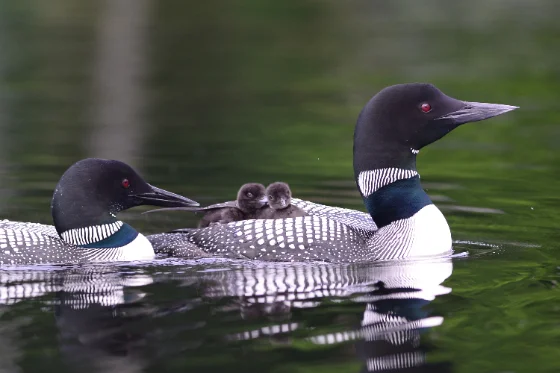
Across the lake from us was a loon nesting area, and every summer I paddled over to watch them and listen to their calls. Loons lay only one or two eggs at a time, so losing even one matters. That stayed with me long before I knew I’d spend my career in conservation.
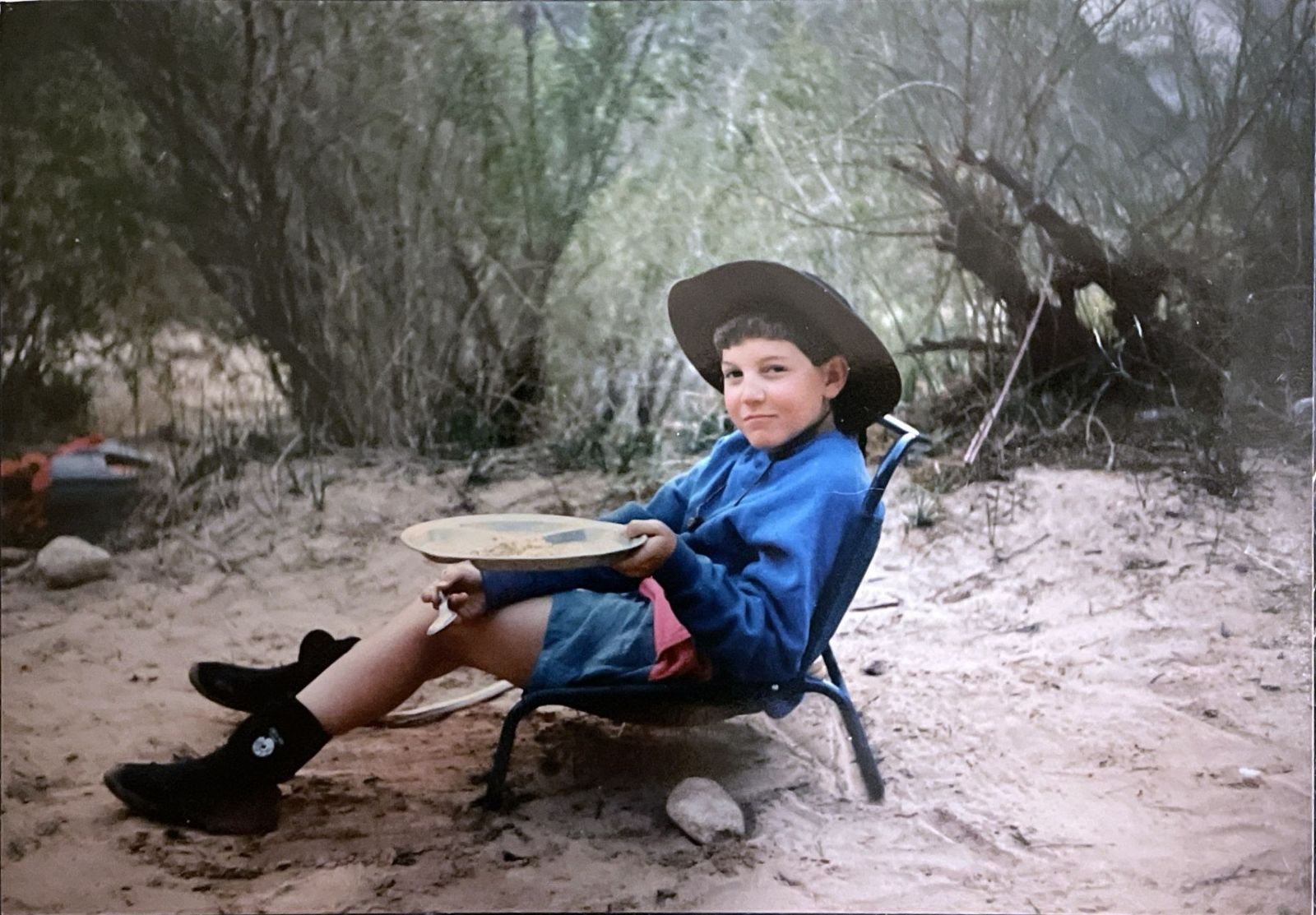
Brett as a kid, camping
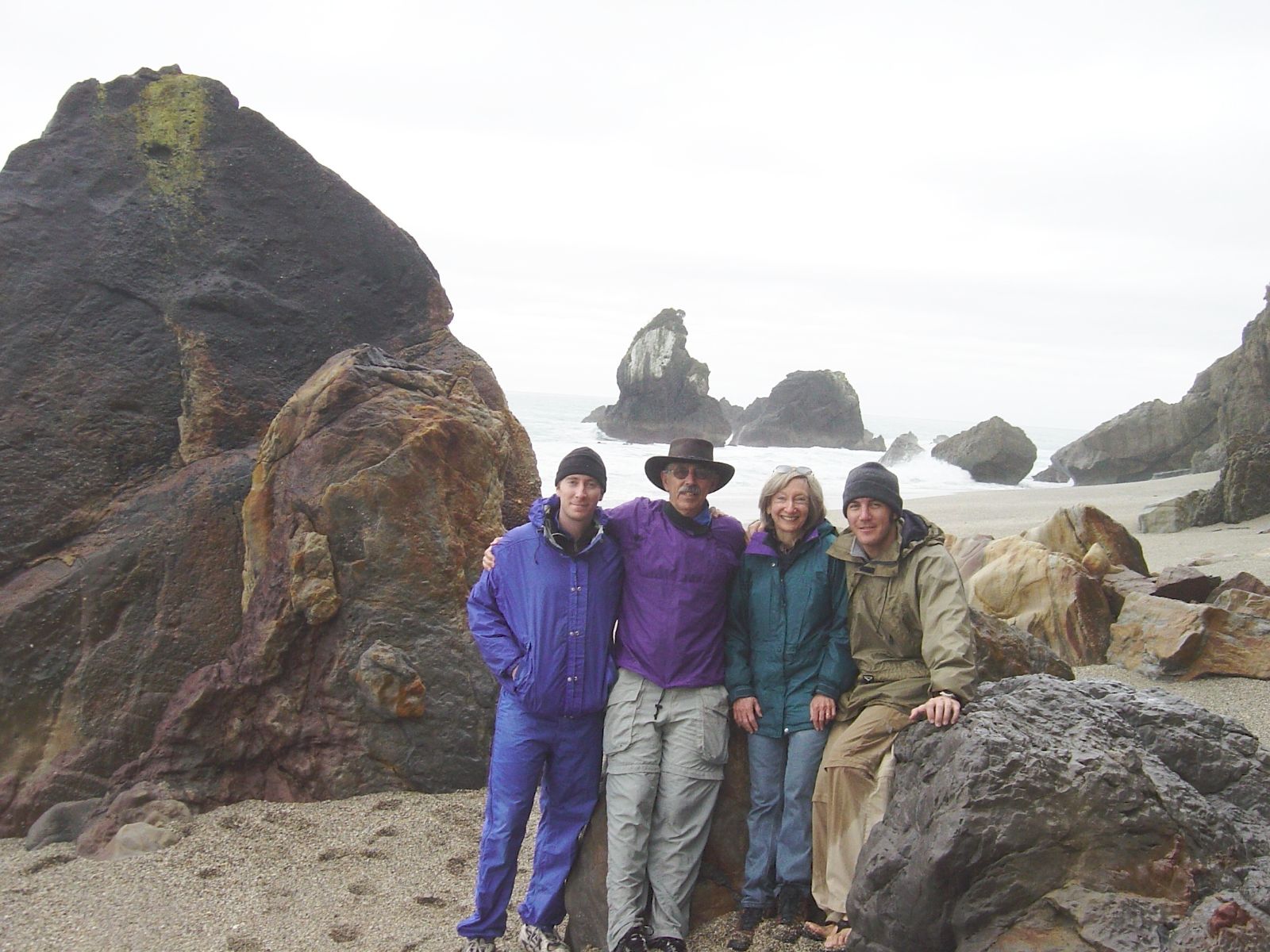
Brett as a child with family on the coast

Into the water

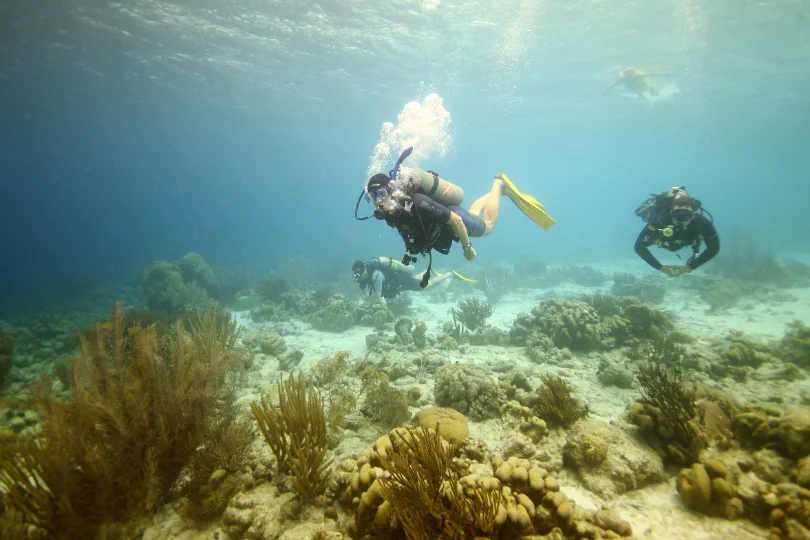
My Mom likes to say I was waterproof at 4½. I learned to SCUBA in middle school and became a divemaster at 18.

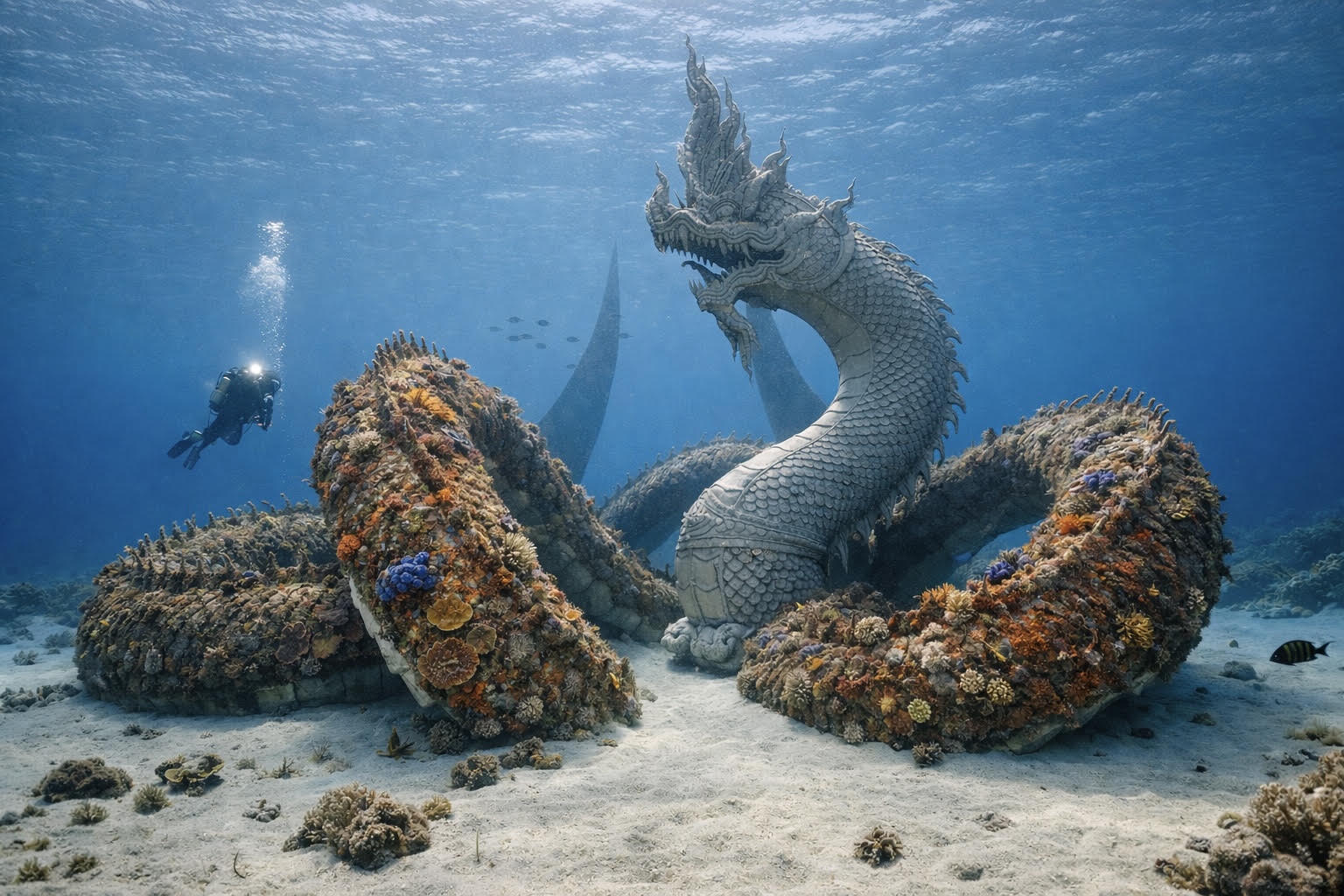
Travel turned that love into something more urgent. Sailing Australia’s Whitsunday Islands, I saw a reef full of life. On a family trip to Indonesia, I watched a reef that had been dynamited wash up on the beach. I took a jar of that sand home, and it still sits on my desk. Years later, Howell Conservation Fund is supporting coral restoration in Indonesia.
The sand jar
A diver swimming past a coral-covered sculpture on the sea floor

From passion to profession

At the University of Miami, I studied communication and environmental planning, and took as many master’s courses in marine affairs as I could fit in. I wanted to understand both the ocean and how to move people to protect it.

An MBA in real estate and entrepreneurship at the University of Colorado Boulder gave me an idea: apply real estate finance to protecting coral reefs. The Property and Environment Research Center (PERC) accepted me into its Enviropreneur Institute, which shaped much of what came next.

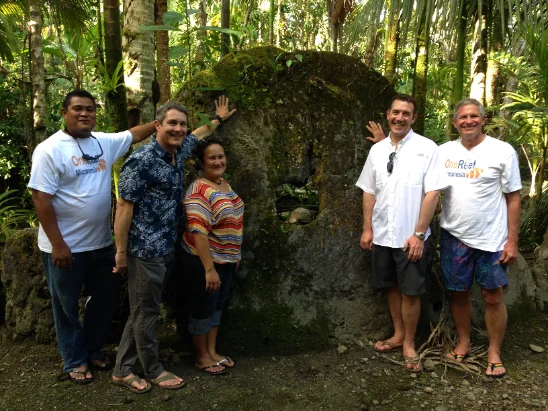
That idea took me to Georgia Aquarium as a Walker Conservation Fellow, building a market-based way to restore coral reefs (PERC wrote about it), and then to OneReef, where I ran operations for an organization protecting 350,000 acres of reef in Micronesia. I saw how much coastal communities depend on healthy reefs, and how little funding reaches them.

Then I made a choice most people in conservation don’t. I went to Coca-Cola to learn how one of the world’s largest companies makes decisions. I worked on its largest-ever refranchising effort, and later co-led marine litter work that started in Atlanta’s rivers and became a national case study with the U.S. EPA.
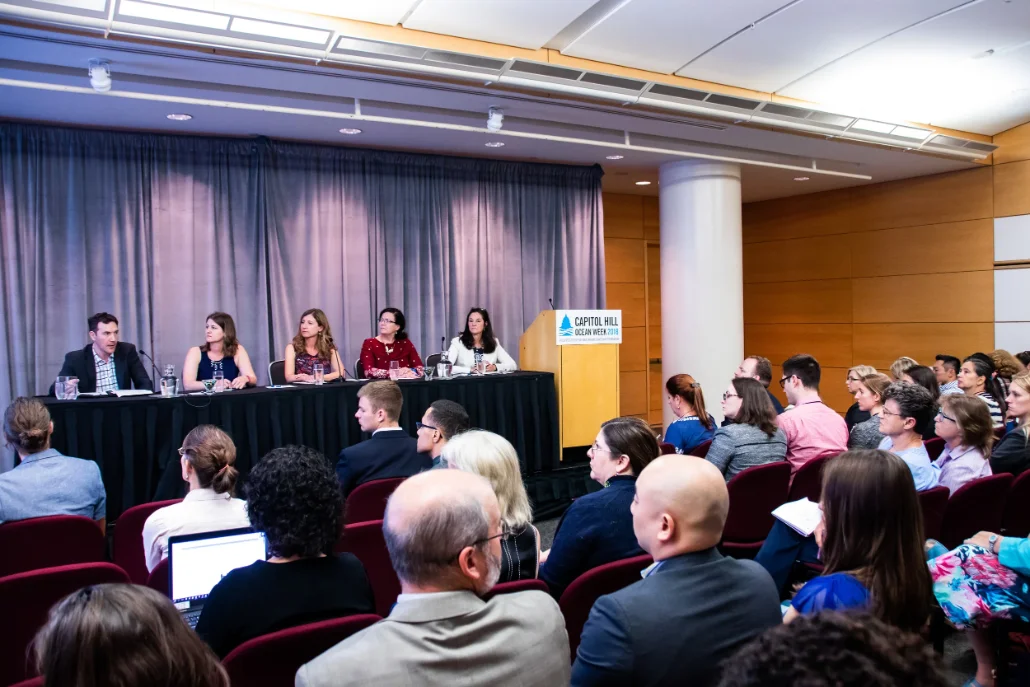
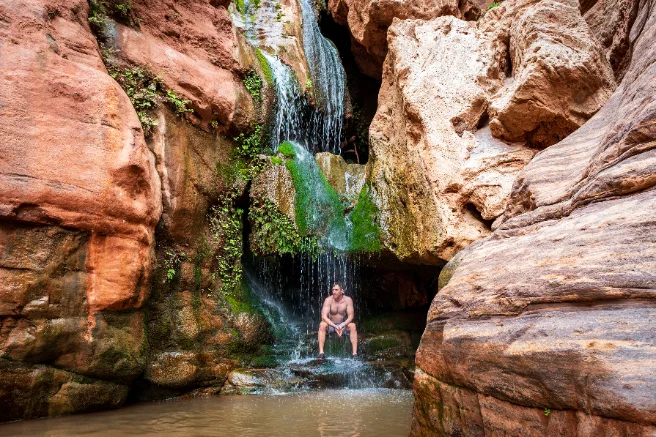
Reef work
Coca-Cola or Georgia Aquarium work

The loons, again

Then, in the summer of 2018, back on Squam Lake, I learned that lead fishing tackle was causing one in every two documented adult loon deaths in New Hampshire. It was heartbreaking, and it was solvable.

The Loon Preservation Committee had just piloted a buy-back that pays anglers to trade in their lead. I stepped in personally as one of its first outside funders and brought in the Alex C. Walker Foundation, which had backed my work at Georgia Aquarium years earlier. Going from their grantee to funding alongside them felt like coming full circle.

Read "For the Love of Loons" →
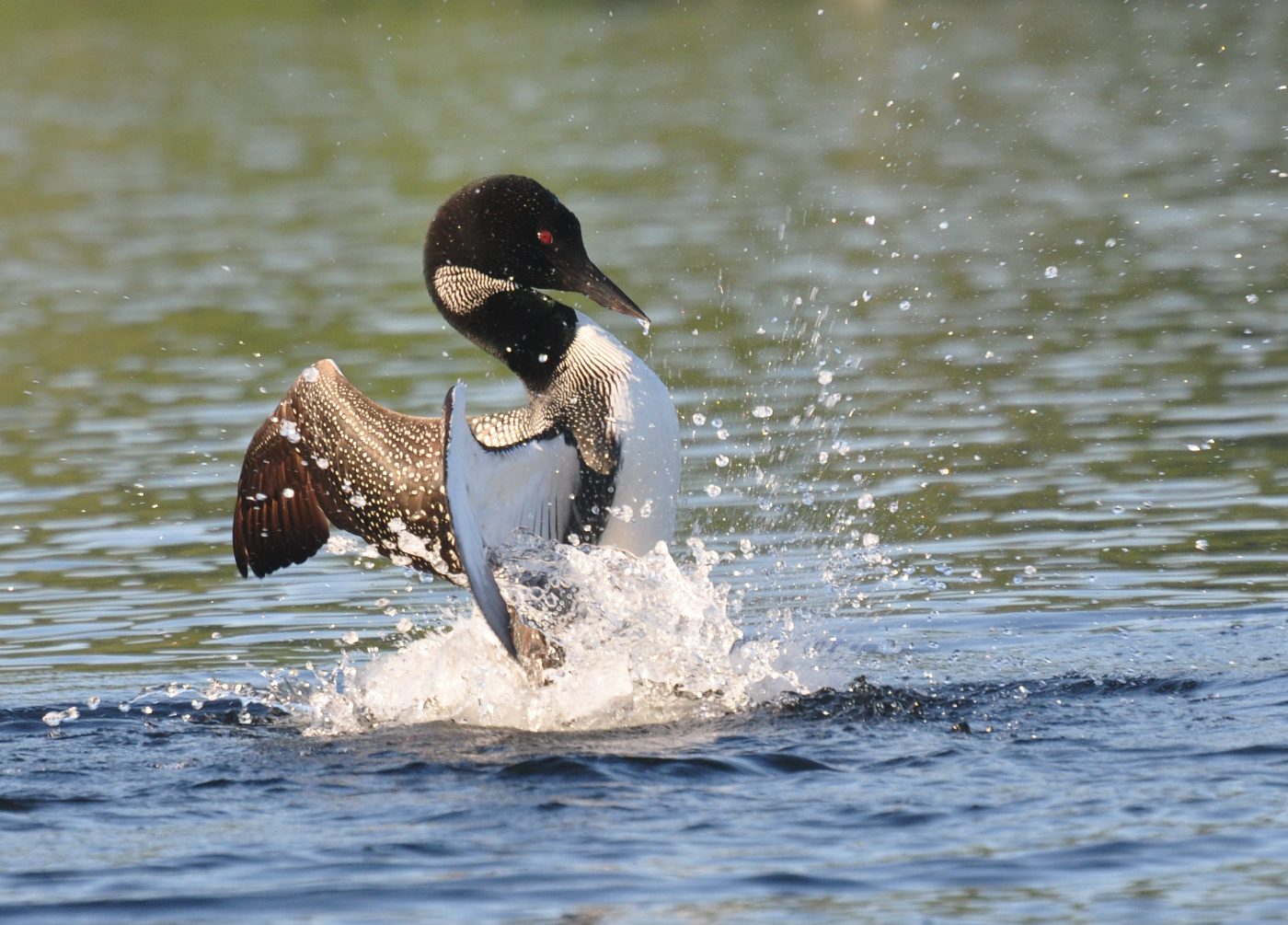
A common loon rising out of the water, wings spread, mid-splash
A common loon in New Hampshire · Photo: Kittie Wilson

The accidental philanthropist

I never planned to start a nonprofit. In grad school, I bought a life insurance policy on myself so I could leave something meaningful for the environment when I was gone. Figuring out where that money should go turned into conversations, and those conversations turned into the giving I was already doing on my own.

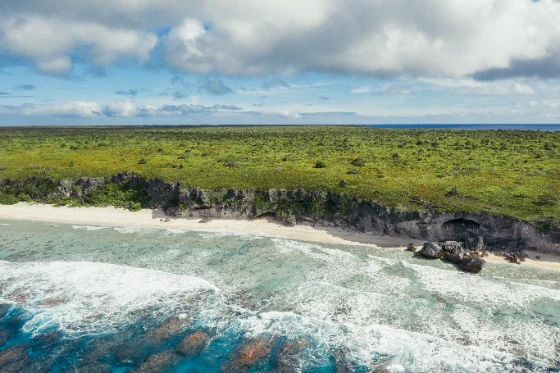
In 2019, I joined an expedition to Henderson Island, a remote, uninhabited island with some of the highest density of plastic on any beach on Earth. We needed an entity to make it happen, so I formed the Howell Conservation Fund. The Explorers Club, which I joined in 2012, named the trip an official Flag Expedition, and I carried its Flag #97 to the island. Our team removed 20,000 pounds of plastic, and a photo from that trip later ran in The New York Times. We learned the model by doing it: find promising work early, provide the spark, help behind the scenes and connect people. 

I still give personally through a donor-advised fund I named Project Unless. The name comes from Dr. Seuss’s The Lorax, a story about one person deciding whether to care enough to act. That one word has guided how I give ever since.
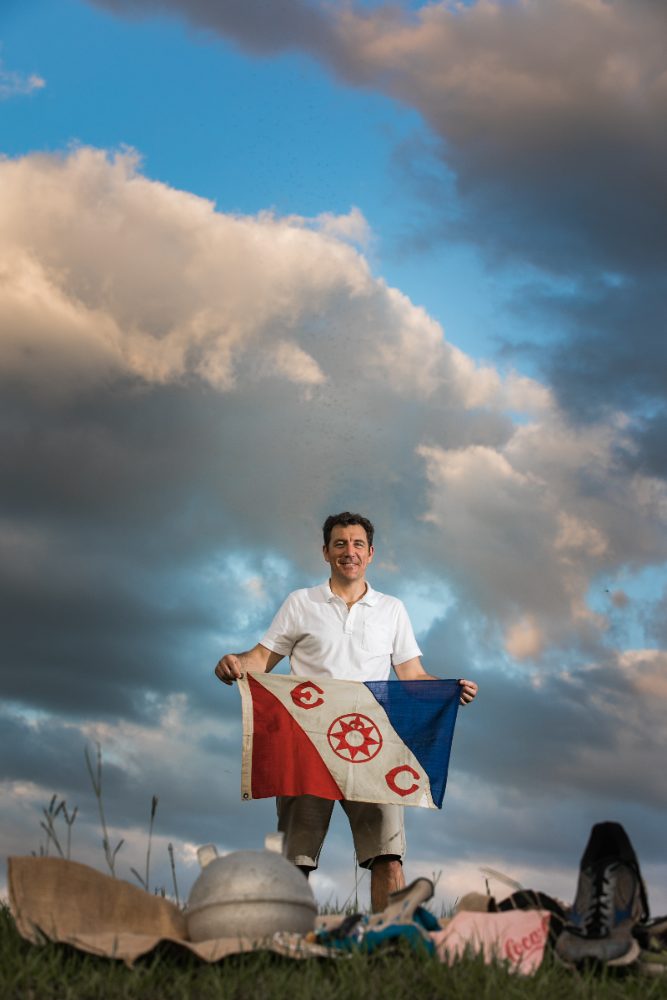
Brett holding an Explorers Club flag under a cloudy sky
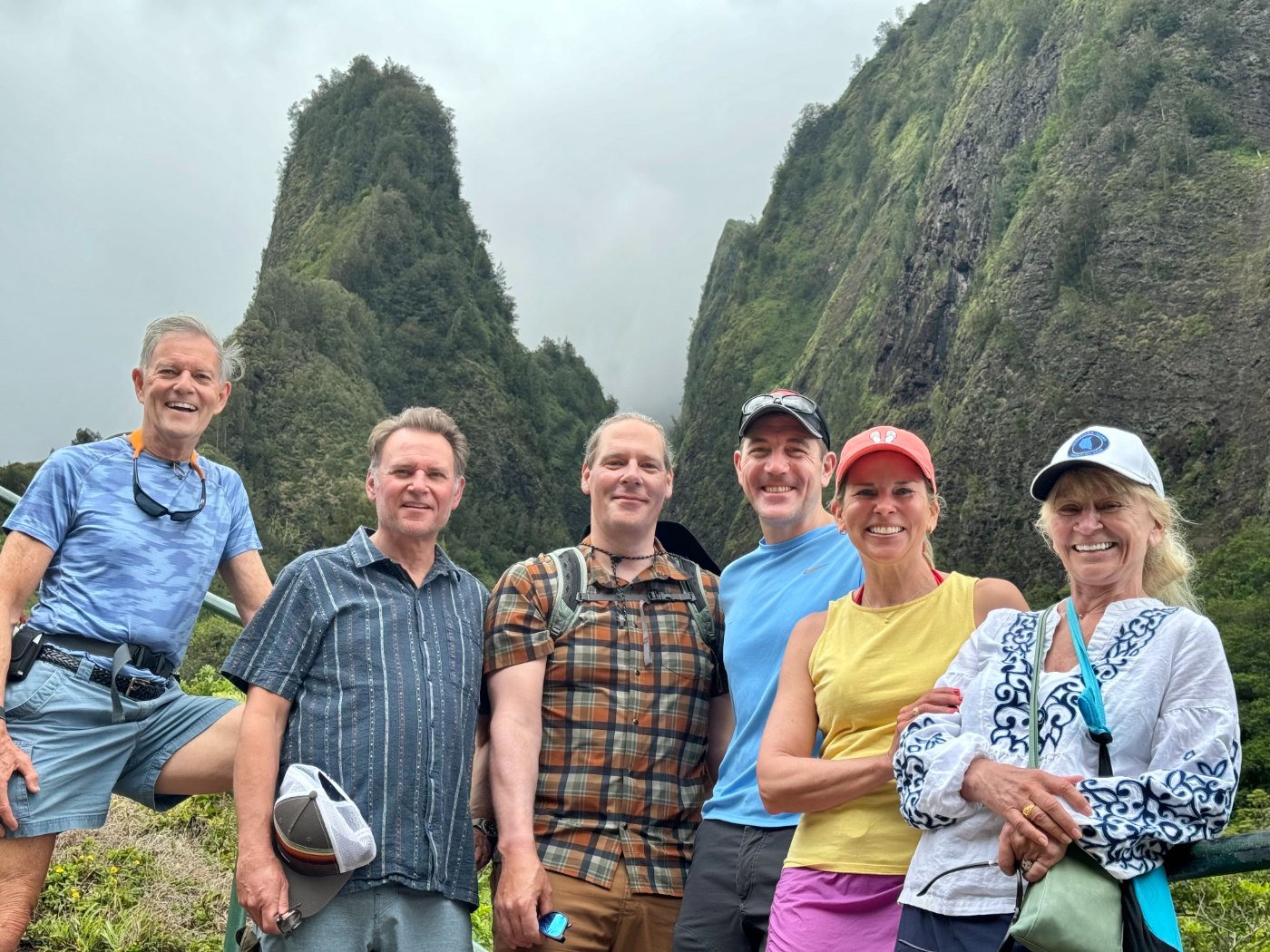
Brett with five friends and partners in front of a green mountain peak

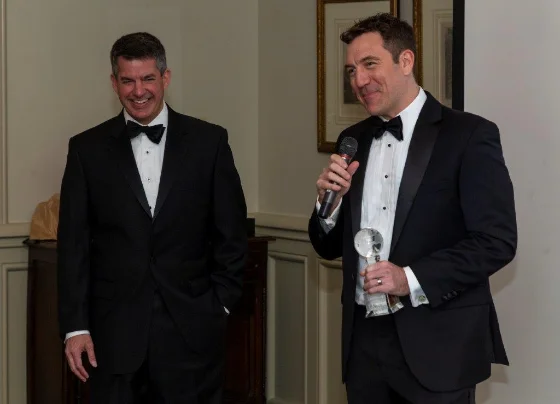
Howell Conservation Fund may carry my name, but many people built it.

Brett rafting the Ocoee River

On the Chattooga River with my Dad, Fall of 2026, still outside as much as I can be.

Background

University of Miami

University of MiamiCommunication & environmental planning

Plus as many master’s courses in marine affairs as I could fit in.

University of Colorado Boulder

University of Colorado BoulderMBA

Entrepreneurship and real estate focus.

PERC

PERCEnviropreneur Institute

Trained in using markets and incentives to drive conservation.

Georgia Aquarium

Georgia AquariumWalker Conservation Fellow

Built a market-based coral reef restoration initiative.

OneReef

OneReefChief Operating Officer

Ran operations protecting 350,000 acres of reef in Micronesia.

Coca-Cola

Coca-ColaProgram Manager, then Senior Program Manager

Co-led North American marine litter work, now a U.S. EPA case study.

Howell Conservation Fund

Howell Conservation FundFounder & Executive Director, 2019–present

Giving early-stage conservation nonprofits the catalytic funding, hands-on project management, and partners they need to grow.

“Systems can shift when you connect the right dots: science, policy, and people. I realized I'm at my best when I'm helping teams make that shift possible.”
Brett W. Howell

What I’m building now

Howell Conservation Fund

Howell Conservation Fund backs early-stage conservation work led by the people closest to the problem, often before larger funders do. 

On the Georgia coast, HCF is backing Georgia Conservancy’s Tender Giants, a photography and film project on North Atlantic right whales in their only known calving grounds, where our challenge grant has brought more than 100 donors into the effort. In Maine, we’re working with OceansWide to build a lasting model for recovering lost lobster gear from the water without relying on federal grants.

Our projectsSee what it looks like when local knowledge gets funded.→ Notes from the fieldMilestones, grants, and news from the projects HCF backs.→ How we workWhy HCF gets involved early and stays involved with hands-on support.→
Support HCF
Henderson Island cleanup
Diving, early days
Mangrove planting, Philippines
Lead tackle buy-back
Family on the coast
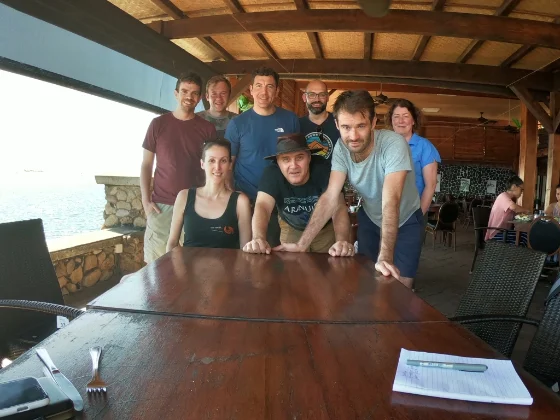
In the field with partners

Speaking and press

I speak about catalytic philanthropy, locally led conservation, and what business and conservation can learn from each other.

For speaking or press inquiries, email Brett.
Speaker bio

Brett Howell founded the Howell Conservation Fund to help early-stage conservation ideas become lasting solutions. Drawing on years of experience across philanthropy, entrepreneurship, and conservation, he works alongside local leaders to provide the funding, guidance, and long-term partnership needed to move promising work from idea to implementation. His belief is simple: the people closest to a challenge are often the ones best equipped to solve it.

Recognition
Explorers 50: Fifty People Changing the WorldThe Explorers Club, 2022
30 ChangemakersExponent Philanthropy, 2026
In the press
The New York Times
The Guardian
BBC
NPR
Talks
BLD Southeast
EarthX
United Nations World Ocean Month
BlueTech Innovation
Poetry of ImpactPodcast, Ep. 84, 2024
Catalytic seed grants case studyCo-author, Exponent Philanthropy, 2025
Select affiliations
Birds GeorgiaBoard Member

A statewide nonprofit protecting birds and their habitats across Georgia. I support governance, strategy and oversight, including planning as the organization enters its second century.

OceansWideAdvisory Board

An HCF partner that invited me onto its advisory board after we began working together.

Exponent PhilanthropyMember, since 2019

A national association of lean funders. I’ve written and presented for Exponent, co-authored its 2025 case study on catalytic seed grants, and was named one of its 30 Changemakers in 2026.

The Explorers ClubMember National, since 2012

An international society dedicated to field research and exploration. I carried its Flag #97 on the 2019 Henderson Island expedition that led to HCF. We were also awarded Flag #235 and the Rolex Watch Expedition Watch Program in 2024. 

NEXUSMember, since 2023

A global network of next-generation leaders in philanthropy, impact investing and social innovation. Through NEXUS, I’ve brought new funders and advisors to HCF.

“Unless someone like you cares a whole awful lot, nothing is going to get better. It’s not.”
— Dr. Seuss, The Lorax (1971)The line behind Project Unless, the Donor Advised Fund I give through personally
The Lorax standing on a tree stump